
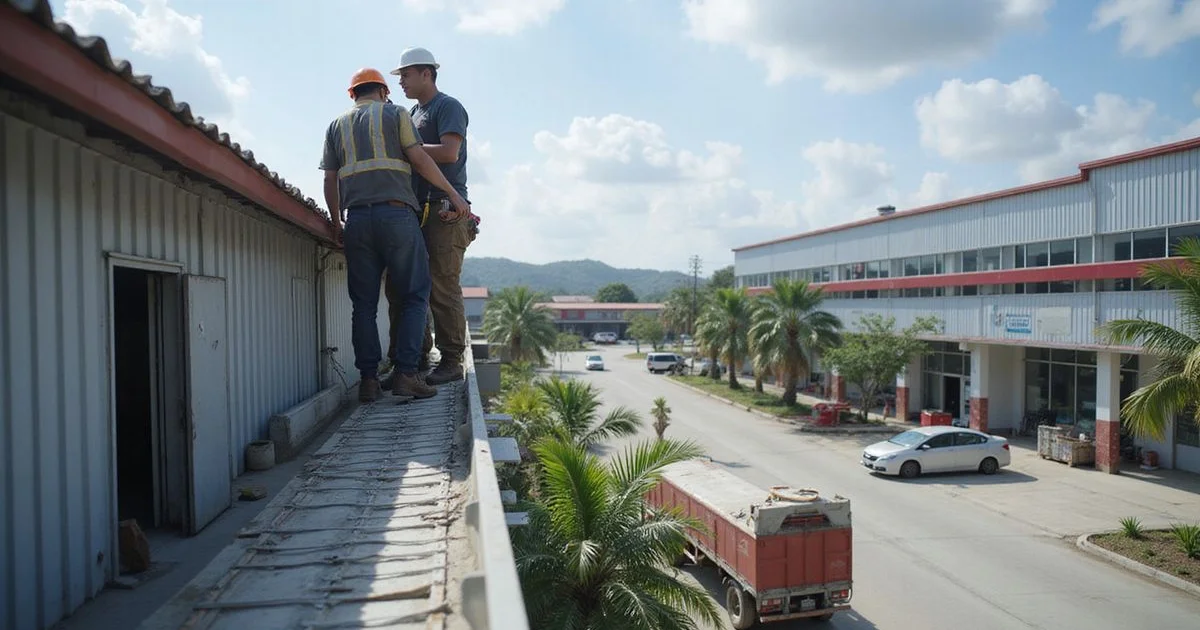
Handover Is Not the End
Most owners treat the keys as the finish line. In reality, the factory defects liability period is where aftercare begins. Small defects show up, documents get filed and the building settles into use.
At Factory Builder Malaysia, the factory and warehouse arm of QDB Ventures Sdn Bhd, a Cheras-based contractor building in Selangor, we see this on every project. Owners who handle these months well protect their investment best.
If you’re approaching the end of a factory construction project, or planning one, here’s what comes next. We’ll cover the defects liability period, who fixes what, the handover documents to collect and how to plan for a later extension.
The Defects Liability Period
Most building contracts include a defects liability period (DLP). During this time, the contractor must put right defects in their work that appear after completion, at their own cost. Common examples are:
- Roof leaks at laps, fixings or gutters
- Hairline cracks in floors or walls
- Doors and roller shutters that stick or misalign
- Drainage that ponds or blocks
The contract sets the length. A 2026 practical guide to construction defects claims in Malaysia says 6 to 24 months is common, with 12 months a frequent default. Check when the clock starts, too. Under the CIDB Standard Form of Contract for Building Works 2000, the period runs from the date of Practical Completion certified by the Superintending Officer.
A portion of the retention is usually held back until the period ends and the listed defects are fixed. According to Legal 500’s 2026 Malaysia construction guide, retention is commonly released in two parts, one at completion and one after the DLP ends. Contracts often cap the total at 5% of the contract sum.
Timing matters at the end of the period. A Ministry of Health seminar presentation on the PAM, PWD 203 and CIDB forms notes that the Superintending Officer can issue a schedule of defects up to 14 days after the DLP expires. So report problems in writing as they appear, not in the last week.
Keep a defects log
Note each defect with a date and a photo as it appears. A clear log makes the end-of-period inspection much easier for both sides.
Who Fixes Roof Leaks or Floor Cracks?
During the defects liability period, defects in the contractor’s work are the contractor’s to fix. After it ends, the building moves into normal maintenance, which is usually the owner’s job. Some components, such as roofing or equipment, may carry separate supplier warranties.
| Stage | Who usually acts |
|---|---|
| During the DLP | Contractor fixes defects in their work |
| After the DLP | Owner handles normal maintenance |
| Roofing or equipment faults | Supplier warranty may apply |
Not every crack is a defect. Concrete floors can show small shrinkage cracks that do not affect performance. Structural Repairs, a Malaysian concrete repair specialist, says cracks under 0.3mm are generally acceptable, though they can grow.
Wider or growing cracks, or cracks under racking, should be checked by an engineer. Our guide on factory roof leaks and floor cracks explains common causes.
Hidden defects are a separate case. Malaysia’s Limitation Act 1953 generally sets a six-year limit for contract and tort claims, with a special rule for latent damage. If you suspect a hidden fault after the DLP, get advice early.
Documents You Should Receive
Ask for these at handover and keep them safe:
| Document | Why you need it |
|---|---|
| As-built drawings | Show what was actually built, including services routes |
| O&M manuals | How to operate and maintain installed equipment |
| Test and commissioning records | Proof that systems were tested |
| Supplier warranties | Cover for roofing, equipment and other components |
| Approvals and CCC | Needed for licences, insurance, financing and future works |
The CCC (Certificate of Completion and Compliance) is issued by your Principal Submitting Person, an architect, engineer or building draughtsman, under the Street, Drainage and Building Act 1974, according to PropertyGuru. It applies to industrial buildings too. Bomba’s Fire Certificate application follows the CCC, so ask early whether your factory needs one.
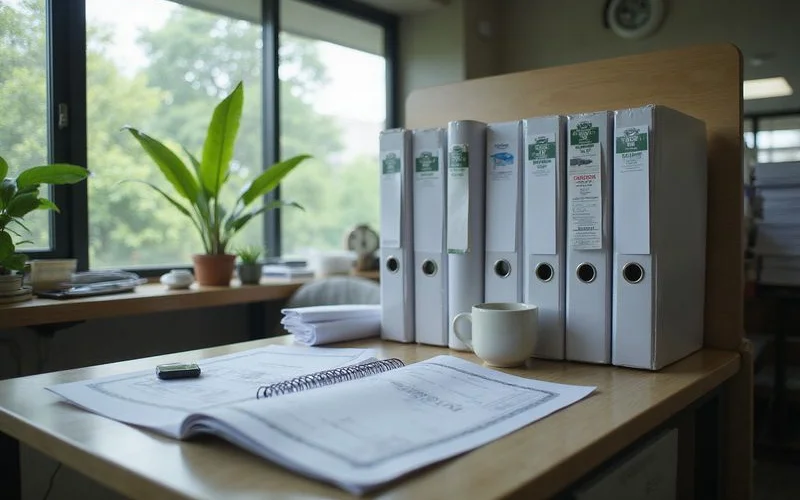
As-built drawings are especially valuable. When you extend, add machinery or trace a fault years later, they show where the pipes, cables and foundations really are. Ask for digital copies as well as printed binders, so your engineer can use them straight away.
Planning the Building for Later Extension
Many owners expect to grow. If that is you, the time to plan the extension is before the first building is designed. That means:
- Leaving space on the lot within the setbacks and plot ratio
- Placing columns and foundations so a new bay can join cleanly
- Sizing drainage and power with future demand in mind
An extension needs its own building plan approval from the local authority. A FactoryHub briefing on Speed Selangor 2.0 suggests using the 21-day early assessment stage to confirm zoning, setbacks, plot ratio and Bomba requirements. Raising these points early can save a redesign.
When the time comes, our factory extension and renovation service picks up from there. Our guide on whether to extend your factory or build new can help you decide.
Before You Sign the Contract
Check the defects liability terms, the retention release, the list of handover documents and how defects will be reported. Good factory aftercare is easiest to secure before work starts, not after.
Use this quick checklist:
- How long is the factory defects liability period, and when does it start?
- How much retention is held, and when is it released?
- Which factory handover documents will you receive, including as-built drawings?
- How will defects be reported and fixed?
If you are still choosing a contractor, our guide on how to choose a factory contractor covers the other contract terms worth reviewing. Planning a build in Selangor? Send us your draft contract and we’ll walk through the aftercare terms with you.