
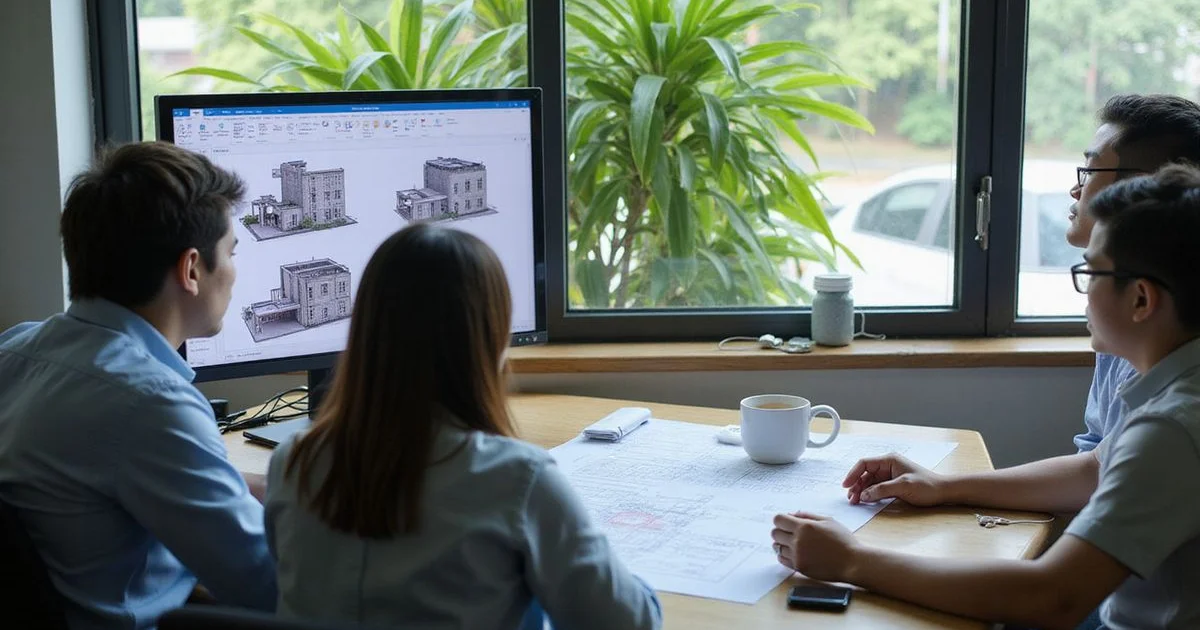
Design and Build in One Sentence
Most SME owners with industrial land ask the same thing first: who is responsible for what in a design and build contract in Malaysia?
A design and build contract puts one party, the contractor, in charge of both designing and constructing your factory. Instead of hiring an architect and engineers yourself and then tendering to builders, you sign one contract that runs from brief to handover.
An overview of Malaysian contract types from IPM (2025) says design and build combines both jobs under one agreement. The client can still shape key decisions during the design phase.
It is the route most of our clients with land but no drawings choose. Our design and build factory service explains how we run it. This guide explains what the contract itself usually covers, who the contractor brings in, what stays with you, and when the route fits.
Scope Under One Contract
A typical design and build scope for a factory includes:
- Design development from your brief: layout, elevations, office frontage and specification
- Detailed engineering for the structure, piping, mechanical, electrical and civil works
- Coordination of the design team and the trades
- Construction of the building and site works to the agreed specification
- Handover, including support with the CCC
What exactly is included varies by project, so it must be written down. A written scope also protects you legally. According to DLA Piper’s 2025 briefing on CIPAA (the Construction Industry Payment and Adjudication Act 2012), the Act applies to construction contracts made in writing, and one of its two dedicated construction courts sits in Shah Alam.
Ask about design responsibility too. IPM notes that under CIDB’s standard form, the contractor may have others prepare the design. It must still meet the agreed performance and safety standards, and the contractor must secure direct warranties from any design consultants it engages. Check that your contract says the same.
The CCC is the Certificate of Completion and Compliance. PropertyGuru’s 2025 guide describes it as the document confirming a building is safe, properly constructed and suitable for occupation. Without it, you can’t legally occupy the building, so ask exactly what “support” means in your quotation.
The Consultants the Contractor Appoints
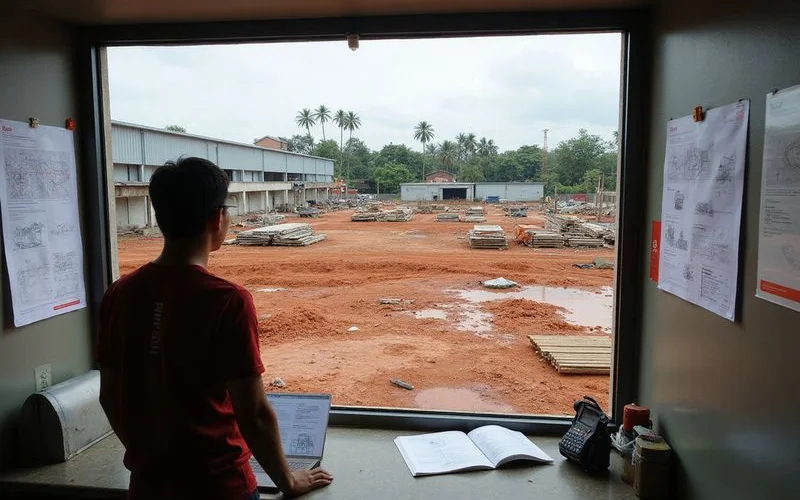
Under design and build, the contractor brings the design team. For a factory, that usually means:
| Consultant | Role |
|---|---|
| Architect | Layout, elevations, planning and building plan drawings |
| Civil and structural engineer | Foundations, frame, floors, drainage |
| M&E engineer | Power, piping, ventilation, fire services |
| Quantity surveyor | Measurement, cost control, progress valuations |
At Factory Builder Malaysia, the factory and warehouse arm of Cheras-based contractor QDB Ventures Sdn Bhd, engineering, project management and quantity surveying are handled within the team. Associate architectural and interior designers cover the building and office areas. The quotation states which consultants are included and who acts as principal submitting person.
That last detail matters more than it looks. The principal submitting person (PSP) is the registered architect, engineer or building draughtsman who submits the building plan to the local authority. According to IPM’s CCC FAQ, only the PSP can issue the CCC, and the PSP’s responsibility under section 71 of the Street, Drainage and Building Act 1974 continues after the certificate is issued.
What Usually Stays With the Owner
Even under design and build, some items normally stay with you:
- Production machinery and specialist process equipment
- Business and manufacturing licences
- Loose furniture, IT and fit-out beyond what is specified
- Land matters, such as title and conditions
Machinery stays with you because your process decides it, not the building. Licences and land conditions belong to you as the owner and the applicant.
Read the exclusions as carefully as the inclusions
The most common design and build disputes come from assumptions about what was included. A clear exclusions list prevents them.
A 2026 steel building guide for Selangor, Johor and Penang projects from SteelStructurePrefab gives similar advice. It tells buyers to confirm whether a quote includes design drawings, shop drawings and installation drawings, and to ask for the commercial exclusions in writing.
Design and Build vs “Turnkey”
“Turnkey” is often used to mean design and build, but the formal meaning is wider. IPM describes a turnkey contract as one where the contractor delivers a complete, operational facility, including design, construction, fit-out, testing and commissioning.
| Contract type | Design | Construction | Fit-out, testing and commissioning |
|---|---|---|---|
| Design and build | Yes | Yes | Only if written into the scope |
| Turnkey (formal meaning) | Yes | Yes | Yes |
The word also suggests you turn a key and start production, which can lead owners to expect machinery, furniture and licences to be included. Rarely are they. Rather than relying on the label, check the scope line by line.
Is It the Right Route for You?
Design and build suits owners who have land and a clear business need but no drawings, and who want one party responsible. IPM says the method promotes coordination and faster completion compared with the traditional design-bid-build route.
| Your situation | Likely better fit |
|---|---|
| Land, a brief, no drawings | Design and build |
| Drawings already done | Build-from-drawings contract |
| Want to manage each consultant yourself | Separate architect and contractor |
For a side-by-side comparison, read design and build vs separate architect and contractor. To see each stage, read the design and build process.
Already have a plot in Selangor? Send us your land details and rough brief, and we’ll show you what a clear design and build scope would look like for your factory.